EPISODE 2: LIBASSA WILDLIFE SANCTUARY - WILDLIFE TRAFFICKING IN LIBERIA
Updated: Jul 7
In Liberia, Libassa Wildlife Sanctuary is currently the only multi-species sanctuary in the country dedicated to preventing wildlife trafficking and to the rescue, rehabilitation, and release of wild animals. On June 12th, 2026 I had the pleasure of interviewing Finn Tenhünfeld on his experience as the director of Libassa Wildlife Sanctuary, and his thoughts on the local issue of conservation and wildlife trafficking in Liberia.
Libassa Wildlife Sanctuary was established to protect injured, orphaned , and rescued wild animals in Liberia, as the country has a major issue of wildlife trafficking and many wild animals are being poached, sold, or even kept as pets still ongoing today. Recently however in 2016 the change in legislation has helped reduce trafficking and strengthen wildlife protection however many civilians still rely on bushmeat as sources of income and as protein. By providing the proper care and rehabilitation, the sanctuary aims to help animals recover and when possible release them back to the wild. Beyond animal welfare, Libassa Wildlife Sanctuary also focuses on environmental education and raising awareness about the importance of biodiversity and conservation. These efforts contribute to the preservation of Liberia's diverse biodiversity for future generations.
Below are some of Libassa Wildlife Sanctuary's most memorable residents. These photographs highlight the diverse wildlife that have been rescued, rehabilitated, and are under care by the sanctuary.


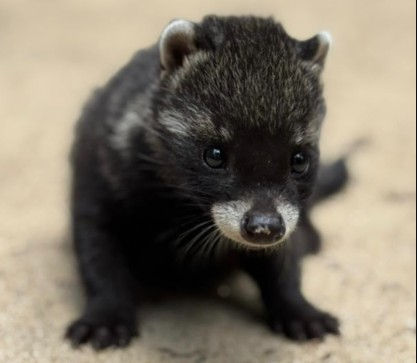
One of the key themes that emerged from our discussion was the importance of maintaining and increasing biodiversity within Liberia’s forests, especially in the face of climate change. With increasing temperatures, it is important to have increased diversity in the forests of Liberia. As mentioned by Finn “ Every animal, every living being, has a role in the planetary system, if you're thinking big, and if you see the forest is one system, the more diversity you have within the system, the more resilient the system is to any changes.” If you have a low biodiversity with an increase of temperature due to climate change, the whole system is at risk of dying out and key species may cease to exist. With wildlife trafficking, species are declining and anthropogenic factors are impacting the highest amount of diversity in the environment.
Liberia has experienced numerous hardships throughout its history, and the effects of the past continue to influence the present. Civil war, Ebola, poverty, disease, and economic instability are at the core of the resilience in Liberian populations and have contributed to long-term social, economic, and environmental challenges. Many rural communities rely on bushmeat as both sources of income and protein, while civil conflict has promoted the expansion of wildlife harvesting. (Freeman, Theo. V. 2011). During my discussions with Finn, it became apparent that it is difficult for local populations to care for the environment, for example through properly disposing of waste, wildlife conservation, and being more sustainable; when they are facing immediate challenges, preventing any space in the mind to think about how certain actions can impact the environment. These pressures have affected wildlife populations; over the past 25 years, chimpanzee populations in Liberia have declined by approximately 80% due to both poaching and habitat loss. ( Said by Neil Bradley, British Ambassador to Liberia )
Environmentally, Liberia is the most forested country in West Africa, and is recognized as a major biodiversity hotspot, containing numerous rare and endemic species as well as abundant natural resources. In 2016, the government enacted the National Wildlife Conservation and Protected Area Management Law, which aims to combat wildlife trafficking and protect endangered species. That was only 10 years ago and when you think about it, it was so recent, meaning many challenges remain. One notable issue is that many Liberians are still unaware of the environmental impacts of wildlife trafficking and the laws that regulate it, highlighting the importance of education and spreading awareness. I really enjoyed my conservation with Finn as this was my first ever podcast that I have recorded and I hope as the audience you learned something as well.
If you’d like to help out Libassa Wildlife Sanctuary , please see attached their Go Fund me Page at the bottom. :)

BIBLIOGRAPHY:
Freeman, T. V. (2011). LGBUSHMEAT-02-liberia on bushmeat-en. https://www.cbd.int/doc/meetings/for/lgbushmeat-02/other/lgbushmeat-02-liberia-en.pdf
MAF enables Liberia’s anti-bushmeat campaign - mission aviation fellowship. Mission Aviation Fellowship . (2024, February 3). https://maf-uk.org/news/maf-enables-liberias-anti-bushmeat-campaign/


Comments